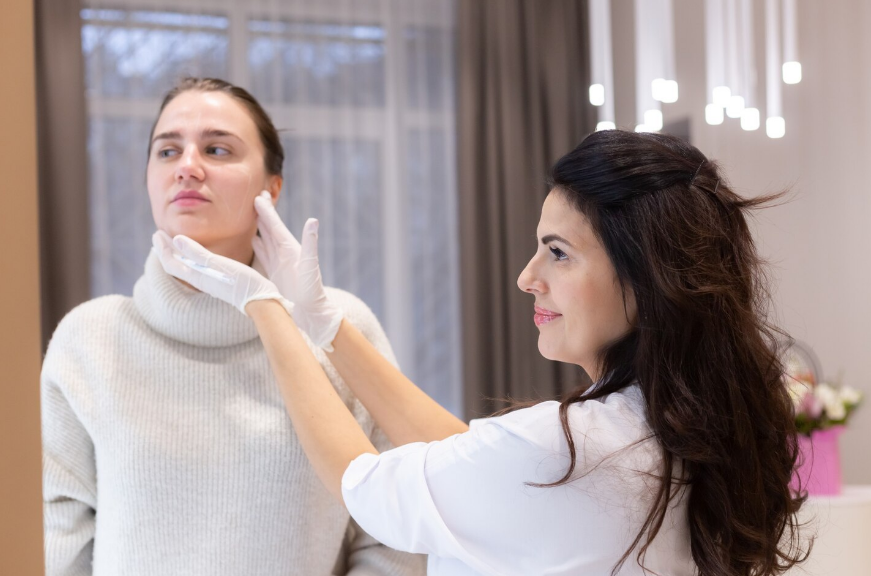
Your skin is the body’s largest organ, and it plays an important role in protecting you from the outside environment. It helps regulate body temperature, prevents excessive water loss, and provides a barrier against bacteria and other irritants. Despite its importance, many people do not understand how their skin works or what it needs to remain healthy.
Dermatology is the medical field focused on the skin, hair, and nails. Learning some basic dermatology can help you recognize common skin concerns, understand everyday skincare needs, and know when professional medical advice may be appropriate.
What Does Dermatology Cover?
Dermatology covers a wide range of conditions affecting the skin, hair, and nails. Dermatologists are medical doctors who diagnose and treat problems such as acne, eczema, psoriasis, skin infections, hair loss, nail disorders, and various types of skin growths.
A dermatologist may also evaluate changes in moles or other marks on the skin. Some skin conditions are temporary and relatively mild, while others may require ongoing treatment or monitoring.
Dermatology is not only about treating existing problems. Dermatologists can also provide guidance about prevention, sun protection, skincare routines, and maintaining healthy skin.
Understanding the Layers of Your Skin
The skin consists of several layers, each with different functions. The outermost layer is called the epidermis. It acts as a protective barrier and contains cells that are continually renewed.
Beneath the epidermis is the dermis. This layer contains blood vessels, nerves, hair follicles, sweat glands, and connective tissue. It provides much of the skin’s strength and elasticity.
The deepest layer is the subcutaneous tissue, which contains fat and connective tissue. It helps cushion the body, store energy, and provide insulation.
Understanding these layers makes it easier to see why different skin problems can have different symptoms and treatments.
Common Skin Conditions
People can experience many different skin conditions throughout their lives. Some are influenced by genetics, hormones, environmental factors, allergies, infections, or lifestyle.
Acne is one of the most common concerns, particularly among teenagers and young adults. It develops when hair follicles become clogged with oil and dead skin cells. Acne can appear as blackheads, whiteheads, pimples, or deeper lesions.
Eczema can cause dry, itchy, irritated, or inflamed skin. Symptoms can vary from person to person and may become worse when exposed to certain triggers.
Psoriasis is another chronic skin condition that can cause thick, scaly patches. It occurs when the immune system causes skin cells to develop too quickly.
Other concerns include fungal infections, hives, rosacea, dermatitis, and excessive dryness. Because different conditions can look similar, professional evaluation may be necessary for an accurate diagnosis.
Why Skin Care Matters
A simple skincare routine can support the health of your skin. You do not necessarily need a large collection of products. In many cases, consistency and choosing products appropriate for your skin type are more important.
Cleansing can remove dirt, excess oil, makeup, and other substances that accumulate on the skin. However, excessive washing or harsh products may cause irritation and dryness.
Moisturizing helps support the skin barrier by reducing moisture loss. People with dry skin may benefit from richer moisturizers, while those with oily skin may prefer lighter formulations.
Sun protection is another essential part of skincare. Regular exposure to ultraviolet radiation can contribute to premature skin aging and increase the risk of skin cancer. Using broad-spectrum sunscreen, wearing protective clothing, and seeking shade can help reduce unnecessary sun exposure.
Identifying Your Skin Type
Skin types are commonly described as normal, dry, oily, combination, or sensitive. Your skin type can influence which products work best for you.
Oily skin tends to produce more sebum, which can contribute to clogged pores and acne. Dry skin may feel tight, rough, or flaky. Combination skin often has oilier areas around the forehead, nose, and chin while other areas remain relatively dry.
Sensitive skin may react easily to certain ingredients, fragrances, or environmental factors.
Skin can also change over time. Age, climate, hormones, medications, and other factors may influence how your skin behaves. Instead of following trends blindly, choose products based on your skin’s current needs.
When Should You See a Dermatologist?
Not every skin problem requires a dermatology appointment, but some symptoms deserve professional attention.
Consider seeing a dermatologist if you have a persistent rash, severe acne, unexplained hair loss, recurring infections, painful or rapidly changing skin lesions, or a mole that changes in size, shape, or color.
You should also seek medical advice when an existing skin condition is interfering with your daily life or does not improve with basic care.
A dermatologist can examine your skin and determine whether additional testing or treatment is necessary. Early evaluation can sometimes prevent a minor concern from becoming more difficult to manage.
The Importance of Sun Protection
Sun protection should be part of everyday skin care, especially when spending significant time outdoors. Ultraviolet radiation can damage skin cells and contribute to sunburn, premature aging, uneven pigmentation, and skin cancer.
Using sunscreen with suitable broad-spectrum protection is one way to reduce exposure. Reapplying sunscreen as directed is important, particularly after swimming or sweating.
Hats, sunglasses, long sleeves, and shade can provide additional protection. Remember that UV exposure can occur even when temperatures are comfortable or the sky appears cloudy.
Healthy Habits for Better Skin
Skin health is connected to overall health. Staying hydrated, eating a balanced diet, getting adequate sleep, managing stress, and avoiding tobacco can support general well-being and may also benefit the appearance and function of your skin.
It is also useful to avoid picking or squeezing pimples. Doing so can increase inflammation and may contribute to scarring or infection.
Keeping skincare simple can be beneficial. Introduce new products gradually, especially if you have sensitive skin. If a product causes significant irritation, discontinue use and seek professional advice when needed.
Understanding Professional Dermatology Treatments
Dermatologists have access to treatments that go beyond everyday skincare products. Depending on the condition, treatment may include prescription creams, oral medications, procedures, light-based treatments, or other medical approaches.
The appropriate treatment depends on the diagnosis, severity of the condition, age, medical history, and other individual factors.
Cosmetic dermatology is another area that may address concerns such as wrinkles, pigmentation, scars, or unwanted hair. Procedures can include chemical peels, laser treatments, injectables, and other techniques. These treatments should always be discussed with a qualified medical professional.
Final Thoughts
Understanding your skin is the first step toward taking better care of it. A consistent skincare routine, sensible sun protection, healthy lifestyle choices, and awareness of changes can all contribute to healthier skin.
There is no single routine that works perfectly for everyone. Your skin can change with age, seasons, hormones, environment, and other factors. When a concern is persistent, unusual, painful, or worsening, a qualified dermatologist can help identify the cause and recommend appropriate care.
Good skin care is not about chasing perfection. It is about protecting your skin, understanding its needs, and making informed decisions that support its health over time.
One thought on “Understanding Your Skin: A Beginner’s Guide to Dermatology”