
Fried rice is a popular dish enjoyed around the world because it is flavorful, filling, affordable, and easy to prepare. Made with cooked rice, vegetables, oil, seasonings, and sometimes eggs, chicken, or tofu, it can be a satisfying meal for lunch or dinner. However, many people wonder whether fried rice is healthy enough to eat regularly.
The answer depends on how it is prepared, how much oil and salt it contains, what ingredients are added, and the portion size. Homemade fried rice prepared with plenty of vegetables, moderate oil, and a source of protein can be part of a balanced diet. Restaurant or takeaway fried rice may contain more oil, sodium, and calories, depending on the recipe.
In this article, we will explore the nutritional value of fried rice, its potential benefits, possible disadvantages, and simple ways to make it healthier.
What Is Fried Rice?
Fried rice is a dish prepared by stir-frying cooked rice in a pan or wok with oil and other ingredients. Common additions include carrots, peas, onions, cabbage, spring onions, eggs, chicken, tofu, and sauces.
Different regions have their own versions. Chinese-style fried rice may use soy sauce and eggs, while Indian-style fried rice often includes garlic, green chillies, onions, mixed vegetables, and spices.
Fried rice provides carbohydrates from rice, while its protein, fibre, vitamins, and fat content depend on the additional ingredients.
Is Fried Rice Healthy?
Yes, fried rice can be healthy when prepared with balanced ingredients and eaten in appropriate portions. Rice supplies energy, vegetables contribute fibre and micronutrients, and eggs, chicken, or tofu can increase protein content.
However, fried rice is not automatically a healthy meal. A version containing excessive oil, salty sauces, processed meat, or very few vegetables may be less nutritious.
The World Health Organization recommends a varied, balanced diet that includes vegetables, whole grains where appropriate, and limits excessive sodium and unhealthy fats. These principles can help guide how you prepare fried rice.
Factors That Determine Whether Fried Rice Is Healthy
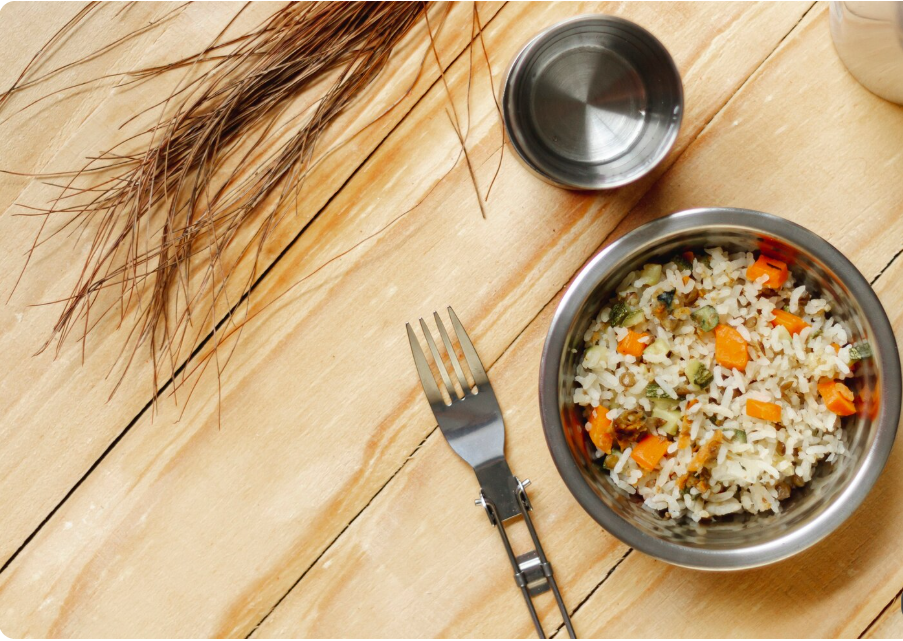
- Cooking oil: Using a moderate amount helps control the meal’s calorie content.
- Vegetables: Carrots, peas, cabbage, capsicum, and beans contribute fibre and nutrients.
- Protein: Eggs, chicken, fish, beans, or tofu can make the meal more balanced.
- Seasonings: Too much salt, soy sauce, or packaged seasoning can increase sodium intake.
- Rice type: Brown rice provides more fibre than white rice, although either can fit into a balanced diet.
- Serving size: Eating a reasonable portion helps manage overall calorie intake.
Nutritional Value of Fried Rice
The nutritional content of fried rice varies significantly according to the recipe. The following table describes the main nutrients commonly found in a typical serving.
| Nutrient | Main source | Why it matters |
|---|---|---|
| Carbohydrates | Rice | Provides energy for daily activities |
| Protein | Eggs, chicken, tofu | Supports muscle maintenance and body repair |
| Dietary fibre | Vegetables, brown rice | Supports digestion and bowel regularity |
| Vitamins | Vegetables and eggs | Supports normal body functions |
| Minerals | Vegetables, eggs, meat | Contributes to overall nutritional needs |
| Fat | Cooking oil, eggs, meat | Provides energy and supports essential body functions |
Important: There is no single calorie count for fried rice. The amount of rice, oil, protein, and sauce can change the nutrition considerably. A large restaurant portion may contain substantially more calories than a smaller homemade serving.
7 Potential Health Benefits of Fried Rice
1. Provides Energy
Rice is a carbohydrate-rich food. Carbohydrates are an important energy source for the body and can help fuel work, exercise, and everyday activities.
Fried rice may be useful when you want a filling meal, especially when it includes vegetables and protein rather than rice alone.
2. Can Supply Important Nutrients
Fried rice can contain several nutrients when made with a variety of ingredients. Carrots provide beta-carotene, while peas and other vegetables contribute vitamins, minerals, and fibre.
Adding different coloured vegetables can improve the overall nutritional variety of the meal.
3. Can Support Muscle Maintenance
Plain rice contains some protein, but it is not especially protein-rich. Adding eggs, chicken, fish, tofu, or beans can increase the protein content.
Protein helps the body maintain and repair tissues. Including a protein source can also make a meal more satisfying.
4. May Support Digestive Health
Vegetables and brown rice provide dietary fibre, which supports normal bowel function. A vegetable-rich fried rice recipe can therefore contribute to your daily fibre intake.
White rice contains less fibre than brown rice, and the quantity of vegetables in the dish makes a difference. If you want more fibre, increase the vegetables and consider using brown rice.
5. Can Fit Into a Balanced Diet
Healthy eating does not require avoiding every food prepared with oil. Fried rice can fit into a balanced diet when portions are appropriate and the rest of your meals provide a good variety of foods.
The overall dietary pattern matters more than whether you eat one particular dish occasionally.
6. Offers Flexible Ingredient Choices
One advantage of fried rice is that it can be adapted to different dietary needs and preferences.
For example, vegetarians can use tofu or eggs, while people who eat meat can add chicken or fish. You can also use less oil and salt, include extra vegetables, and adjust the spices to your preference.
7. Helps Use Leftover Ingredients
Fried rice can be a practical way to use leftover vegetables and cooked protein, reducing food waste. However, leftover rice must be stored safely because improperly handled cooked rice can cause foodborne illness.
Refrigerate cooked rice promptly rather than leaving it at room temperature for extended periods.
Possible Disadvantages of Eating Fried Rice
Although fried rice can be nutritious, some preparation methods can make it less healthy.
1. Excess Oil Can Increase Calories
Oil adds energy to a meal. When a cook uses large amounts of oil, butter, or other fats, fried rice can become much more calorie-dense.
You do not need to eliminate oil completely. Instead, use a moderate amount and avoid repeatedly adding oil during cooking.
2. Restaurant Fried Rice May Be High in Sodium
Soy sauce, salt, stock cubes, and packaged seasonings can all contribute sodium. Regularly consuming too much sodium can increase blood pressure and cardiovascular risk.
Choose reduced-sodium sauces where available, add salt gradually, and use garlic, ginger, chilli, lemon, and herbs for flavour.
3. Large Portions May Make Calorie Control Difficult
Rice is a concentrated source of carbohydrates. Eating a very large portion, especially one prepared with plenty of oil, can provide more energy than you need for that meal.
A useful approach is to serve a moderate portion of rice, add plenty of vegetables, and include a protein source.
4. White Rice Is Lower in Fibre
White rice can be part of a healthy diet, but it generally contains less fibre than brown rice because the outer bran layer has been removed.
If you want to increase fibre intake, try brown rice or mix white rice with vegetables, beans, or other fibre-rich ingredients.
5. Food Safety Can Be a Concern
Cooked rice can support the growth of bacteria when it is left at unsafe temperatures. Fried rice made from improperly stored leftovers may cause food poisoning, even if it is reheated later.
The USDA advises refrigerating leftovers within two hours, or within one hour when the surrounding temperature exceeds 90°F (32°C). Reheat leftovers thoroughly to 165°F (74°C). Never rely on smell or appearance alone to decide whether rice is safe to eat.
Which Type of Fried Rice Is Healthiest?
Different varieties can offer different nutritional advantages. The healthiest option usually depends on the amount of oil and salt used, the quantity of vegetables, and whether the dish contains a suitable protein source.
| Type of fried rice | Potential advantages | What to watch |
|---|---|---|
| Vegetable fried rice | Provides a variety of vegetables | May be low in protein if no protein source is added |
| Egg fried rice | Adds protein from eggs | Oil and salt can still be high |
| Chicken fried rice | Provides protein from chicken | Portion size and sauces affect nutrition |
| Tofu fried rice | Plant-based protein option | Check the amount of oil and salty sauces |
| Brown rice fried rice | Generally provides more fibre | Still needs balanced ingredients and portions |
| Restaurant-style fried rice | Convenient and often filling | Can contain substantial oil, sodium, and large portions |
For many people, homemade vegetable fried rice with eggs, tofu, or lean chicken is a practical choice because the ingredients and cooking methods can be controlled.
How to Make Fried Rice Healthier at Home
You can improve the nutritional quality of fried rice without sacrificing its flavour.
Use a Moderate Amount of Oil
Measure your cooking oil rather than pouring it freely into the pan. A small amount of an unsaturated oil, such as olive or canola oil, can work well for home cooking.
Add More Vegetables
Include carrots, peas, capsicum, cabbage, green beans, onions, or mushrooms. Aim for a generous amount of vegetables so the meal provides more fibre and variety.
Include a Protein Source
Add eggs, tofu, beans, chicken, or fish. This helps make fried rice a more balanced meal and may improve fullness.
Reduce Salt and Sauces
Use soy sauce sparingly and choose a reduced-sodium option if available. Garlic, ginger, black pepper, chilli, spring onions, and lemon juice can add flavour without relying entirely on salt.
Consider Brown Rice
Brown rice is a useful option if you want more fibre. If you prefer white rice, you can still make a nutritious meal by increasing vegetables and adding protein.
Serve a Balanced Portion
Rather than filling the plate with rice alone, combine a moderate portion of fried rice with vegetables and protein. Your appropriate serving size depends on your age, activity level, appetite, and health needs.
Is Fried Rice Good for Weight Loss?
Fried rice can fit into a weight-loss plan, but it is not automatically a weight-loss food. Weight management depends on overall energy intake, physical activity, and other individual factors.
To make fried rice more suitable for weight management:
- Use a moderate amount of cooking oil.
- Add plenty of non-starchy vegetables.
- Include eggs, tofu, or lean chicken for protein.
- Keep sauces and salty seasonings under control.
- Choose a portion that fits your overall meal plan.
- Limit frequent oversized takeaway portions.
You do not have to stop eating rice to manage your weight. The goal is to balance portions and ingredients across your overall diet.
Is Fried Rice Good for People With Diabetes?
People with diabetes can often include rice in their meals, but portion size and the overall meal composition are important. Rice contains carbohydrates, which affect blood glucose levels.
Consider using a moderate portion, adding vegetables and protein, and monitoring your own response to the meal as advised by your healthcare professional. Brown rice contains more fibre than white rice, but it still contributes carbohydrates and can raise blood glucose.
There is no single serving size that is right for everyone. If you take insulin or medicines that can cause low blood glucose, follow your individual meal plan and medical advice.
Is It Safe to Eat Fried Rice Every Day?
Eating fried rice every day is not necessarily harmful, but the recipe and the rest of your diet matter. A version made with moderate oil, vegetables, and protein can be nutritious. However, eating the same meal daily may reduce dietary variety, particularly if it contains few vegetables or relies heavily on salty sauces.
For a balanced eating pattern, rotate rice with other grains and carbohydrate sources, and include a variety of vegetables, fruits, pulses, and protein foods throughout the week.
Food safety is also important when preparing fried rice with leftovers. Refrigerate cooked rice promptly in shallow containers, keep it cold, and reheat it thoroughly before eating.
Frequently Asked Questions (FAQs)
1. Is fried rice good for health?
Fried rice can be healthy when prepared with moderate oil, plenty of vegetables, and a source of protein. Its nutritional quality depends on the ingredients, cooking method, portion size, and sodium content.
2. Is vegetable fried rice healthier than plain fried rice?
Vegetable fried rice often provides more fibre, vitamins, and minerals than fried rice containing very few vegetables. Adding eggs, tofu, or another protein source can make it more balanced.
3. Can I eat fried rice while trying to lose weight?
Yes. Use a moderate portion, limit excess oil, add vegetables, and include protein. Weight loss depends on your overall eating pattern and energy balance rather than avoiding one specific food.
4. Is homemade fried rice healthier than restaurant fried rice?
Homemade fried rice can be healthier because you can control the oil, salt, sauces, vegetables, and portion size. Restaurant versions vary, so their nutritional content depends on the recipe and serving size.
5. Is leftover rice safe for making fried rice?
It can be safe if it has been handled properly. Refrigerate cooked rice within two hours, store it in shallow containers, and reheat it thoroughly to 165°F (74°C). Discard rice that has been left at room temperature too long.
| Read more: Wicked Fit: Strength Training |