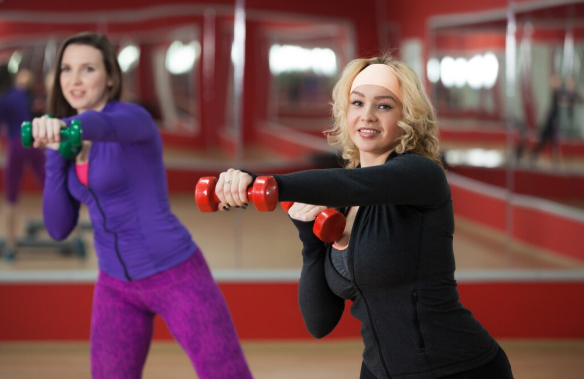
Choosing the right fitness environment can make a major difference in how consistently you exercise and progress toward your goals. wicked fit is a strength-and-conditioning gym concept focused on structured workouts, coaching, progressive training, and a supportive fitness community. Its approach combines strength work with conditioning and scalable exercises, making it suitable for people with different experience levels. Rather than focusing only on short-term results, the philosophy emphasizes sustainable habits, movement quality, accountability, and long-term fitness.
For people considering a new gym or group training program, understanding the workout style, class options, coaching approach, and expected experience can help determine whether the facility matches their goals.
What Is Wicked Fit?
Wicked Fit is a fitness facility and training community based in San Diego, California. Its programming centers on strength and conditioning, with classes designed to help members improve physical strength, cardiovascular fitness, movement ability, and overall confidence.
The gym emphasizes a supportive and judgment-free environment. Its programs are designed to be scalable, meaning exercises can be adjusted according to an individual’s current fitness level and ability. This can make structured group training more approachable for beginners while still providing challenges for experienced members.
The facility also offers personal training and individualized fitness programming for people who want more customized guidance.
What Makes the Training Approach Different?
One of the key features of this type of fitness environment is the combination of structured programming and coaching.
Instead of simply entering a gym and choosing exercises independently, members can follow planned workouts with guidance from coaches. This can help create consistency and make it easier to understand how different exercises fit into an overall fitness program.
The approach generally emphasizes:
- Strength development
- Functional movement
- Conditioning
- Proper exercise technique
- Progressive training
- Accountability
- Recovery
- Long-term lifestyle habits
The goal is not necessarily to make every workout as difficult as possible. Effective training should challenge the body while allowing enough recovery to continue progressing.
Types of Workouts and Classes
A variety of class formats allows members to train different aspects of fitness throughout the week. Current programming includes options such as Pure Strength, One More Rep, The Hybrid, Sunday Core, Stretch & Mobility, and Power Hour.
Pure Strength
Pure Strength focuses heavily on resistance training. Workouts can combine weight training with bodyweight movements to challenge major muscle groups.
This type of class may appeal to people who want to improve strength, build confidence with resistance exercises, and develop better overall physical capacity.
Common strength movements can include exercises such as:
- Squats
- Deadlifts
- Presses
- Rows
- Lunges
- Bodyweight movements
The exact workout can vary, but the general focus remains building strength through structured resistance training.
One More Rep
One More Rep is described as a higher-repetition strength-and-conditioning class that combines functional strength exercises with cardio elements. Equipment can include dumbbells, kettlebells, TRX, resistance bands, battle ropes, and bodyweight exercises.
This style can be useful for people who enjoy faster-paced sessions and want to combine resistance training with cardiovascular conditioning.
The important point is that intensity does not have to mean sacrificing technique. Exercises can be scaled so participants can work at an appropriate level.
Core and Mobility Sessions
Core-focused and mobility sessions can complement more demanding strength workouts.
Core training can support stability during movements such as squats, deadlifts, presses, and everyday activities. Mobility sessions can focus on controlled movement and flexibility, which may be particularly useful for people who spend much of the day sitting.
Recovery-oriented classes can also help create a more balanced weekly training schedule.
Is This Type of Gym Suitable for Beginners?
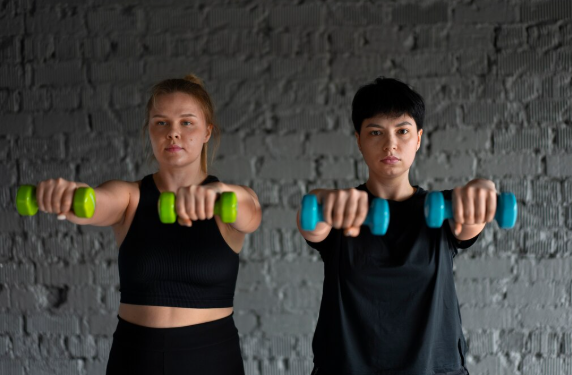
A common concern among new gym members is whether they need to already be fit before joining a strength-and-conditioning facility.
Wicked Fit states that people do not need to be in shape before starting. Its workouts are designed to be scalable across different fitness levels, and new members can receive guidance based on their goals and starting point.
For beginners, the most important priorities should be:
- Learning correct movement patterns
- Starting with manageable resistance
- Understanding how to modify difficult exercises
- Building consistency
- Allowing sufficient recovery
A beginner does not need to compete with more experienced members. Fitness development is personal, and progress should be measured against your own starting point.
Benefits of Strength and Conditioning
A balanced strength-and-conditioning program can provide several benefits.
Improved Strength
Resistance training helps the body adapt to progressively greater physical demands. Stronger muscles can make everyday activities easier and improve physical performance.
Better Cardiovascular Fitness
Conditioning exercises can challenge the cardiovascular system and improve endurance over time.
Greater Movement Confidence
Learning how to perform compound exercises correctly can make people more comfortable with movement and physical activity.
Structured Accountability
Scheduled classes provide a reason to show up. For people who struggle with motivation when exercising alone, a group environment can make consistency easier.
Community Support
A supportive training environment can also make workouts more enjoyable. Wicked Fit specifically emphasizes community, accountability, and encouragement as parts of its approach.
Personal Training and Individualized Programming
Group classes are not the only option. Personal training can be useful for individuals who want more individualized instruction.
A personal trainer may help with:
- Exercise selection
- Technique
- Training progression
- Goal setting
- Workout modifications
- Accountability
- Fitness planning
Individualized programming can be especially useful when someone has a specific performance goal or wants a routine adapted to their experience and schedule.
However, personalized training is not automatically necessary for everyone. Some people may thrive in group classes, while others prefer one-on-one attention.
How Often Should You Train?
Training frequency should depend on your fitness level, recovery ability, goals, and schedule.
A beginner may benefit from starting with several sessions per week rather than attempting hard workouts every day. Wicked Fit’s guidance suggests that beginners can start with two to four classes per week and gradually work toward more frequent training as their bodies adapt.
A balanced weekly schedule might look like this:
| Day | Training Focus |
|---|---|
| Monday | Strength |
| Tuesday | Conditioning |
| Wednesday | Recovery or mobility |
| Thursday | Strength |
| Friday | Conditioning |
| Saturday | Optional workout or recreational activity |
| Sunday | Rest or gentle mobility |
The exact schedule should be adjusted according to individual recovery and goals.
What to Bring to a Workout
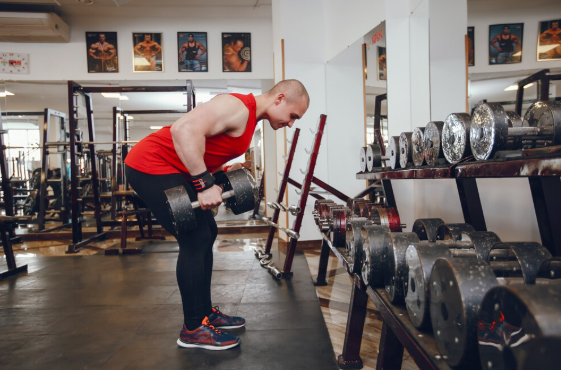
Preparing the right essentials can make your first few sessions more comfortable.
Consider bringing:
- Comfortable workout clothing
- Supportive training shoes
- Water bottle
- Small towel
- Workout accessories if recommended
- Positive and patient mindset
You do not need to arrive as an experienced athlete. The purpose of training is to improve.
How to Get Better Results
Joining a fitness facility is only the beginning. Progress depends largely on what you do consistently over time.
Be Consistent
Missing an occasional workout is normal. The goal is to establish a routine you can maintain for months rather than trying to be perfect for one week.
Focus on Technique
Correct movement should come before heavier weights or faster repetitions. Ask a coach for guidance when you are unsure about an exercise.
Track Progress
You can monitor progress through:
- Weight lifted
- Repetitions completed
- Workout duration
- Exercise technique
- Cardio endurance
- Energy levels
- Consistency
Progress does not always appear immediately in the mirror.
Prioritize Recovery
Muscles and connective tissues need time to recover after demanding training. Sleep, hydration, nutrition, and rest days all contribute to sustainable progress.
Common Mistakes New Gym Members Make
Trying to Match Experienced Members
Every member starts somewhere. Attempting to copy another person’s weights or workout pace can lead to unnecessary fatigue and poor technique.
Training Too Hard Too Soon
Beginners often feel motivated during their first few weeks and may do too much too quickly. Gradual progression is usually more sustainable.
Ignoring Mobility and Recovery
Strength and conditioning are important, but mobility and recovery should not be overlooked.
Expecting Immediate Results
Fitness improvements take time. Strength, endurance, body composition, and movement quality develop through repeated effort.
What to Look for in a Fitness Community
When choosing a gym, consider more than equipment.
Ask yourself:
- Are coaches attentive?
- Can exercises be modified?
- Does the atmosphere feel supportive?
- Are workouts structured?
- Does the schedule fit your lifestyle?
- Are there programs suited to your experience?
- Is the facility convenient?
- Do you enjoy the training environment?
A gym can have excellent equipment but still be a poor fit if the atmosphere or schedule does not work for you.
Location and Getting Started
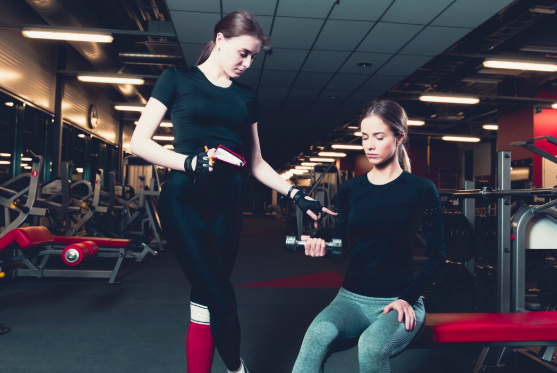
The San Diego Wicked Fit facility is located in the South Park area at 1504 30th Street. The gym offers a starting process that includes a consultation and facility introduction before helping prospective members determine an appropriate next step.
This type of introductory process can be valuable because it gives new members an opportunity to understand the training philosophy before committing to a regular routine.
Key Points to Remember
- The training approach emphasizes strength and conditioning.
- Workouts can be scaled for different experience levels.
- Classes include strength, conditioning, core, mobility, and hybrid-style options.
- Personal training is available for people seeking individualized guidance.
- Beginners should start gradually and prioritize technique.
- Consistency is more important than making every workout extremely difficult.
- Recovery should be included in a weekly training schedule.
- Tracking strength, endurance, technique, and consistency can help measure progress.
- A supportive fitness community can improve accountability.
- Choosing a gym that fits your goals, schedule, and preferred training style is important.
Final Thoughts
A structured strength-and-conditioning environment can be a practical option for people who want more direction than traditional independent gym workouts provide. With multiple class formats, scalable exercises, coaching, personal training, and recovery-focused options, the approach can accommodate different fitness goals and experience levels.
The most important step is to start at an appropriate level and build consistency. Whether your goal is becoming stronger, improving endurance, developing better movement habits, or simply becoming more active, a well-designed training program can provide the structure needed to make progress.
FAQs
Is this fitness program suitable for beginners?
Yes. The workouts are designed to be scalable, allowing exercises and intensity to be adjusted according to an individual’s current ability.
What type of exercises can I expect?
Workouts can include strength movements, bodyweight exercises, dumbbells, kettlebells, resistance bands, TRX, conditioning exercises, and core work.
How many classes should a beginner take each week?
Starting with two to four classes per week can provide a manageable introduction. Training frequency can increase gradually as fitness and recovery improve.
Do I need to be fit before joining a strength-and-conditioning gym?
No. Beginners can start at an appropriate level and gradually develop strength, endurance, and movement confidence.
Can I combine strength training with cardio?
Yes. Combining resistance training with conditioning can create a balanced fitness routine, provided training intensity and recovery are managed appropriately.
One thought on “Wicked Fit: Strength Training, Fitness Classes, and What to Expect”