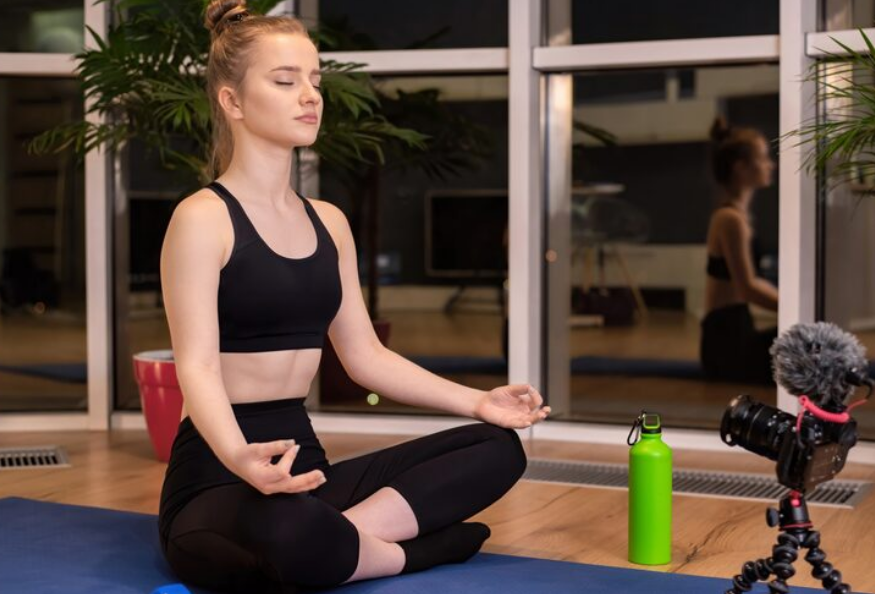
A wellness routine does not have to involve complicated schedules, expensive products, or major lifestyle changes. The most effective routine is one that fits naturally into your everyday life and supports your physical, mental, and emotional well-being. By focusing on simple habits and making them consistent, you can create a routine that feels manageable rather than overwhelming.
Wellness looks different for everyone. Some people may benefit from more physical activity, while others may need better sleep, improved nutrition, more relaxation, or stronger boundaries around work and personal time. The key is finding a healthy balance that supports your individual needs and can be maintained over time.
Start With Your Current Lifestyle
Before creating a wellness routine, take a realistic look at your current habits. Consider how you spend your mornings, what you eat during the day, how active you are, how much you sleep, and how often you take time to relax.
There is no need to change everything at once. Trying to completely redesign your lifestyle overnight can make your routine difficult to maintain. Instead, identify one or two areas that could benefit from improvement.
For example, if you rarely exercise, begin with a short daily walk. If your sleep schedule is inconsistent, start by going to bed at a similar time each evening. Small changes can eventually become lasting habits.
Build a Consistent Morning Routine
How you begin your day can influence your energy and mindset. A simple morning routine can provide structure and help you start the day with intention.
You might begin by drinking water, stretching for a few minutes, eating a nutritious breakfast, or spending a few quiet moments planning your priorities.
Avoid filling your first few minutes with unnecessary notifications and social media if they tend to make you feel distracted or stressed. Giving yourself time to wake up gradually can create a calmer start.
Your morning routine does not need to be long. Even 15 to 30 minutes of intentional activity can help establish a positive rhythm.
Make Physical Activity Part of Your Day
Movement is an important part of overall wellness. You do not necessarily need an intense workout every day to stay active.
Walking, cycling, swimming, dancing, stretching, strength exercises, and recreational sports can all contribute to an active lifestyle. Choose activities that you enjoy because you are more likely to continue doing something that feels enjoyable.
If you have a busy schedule, break physical activity into smaller periods. A short walk in the morning and another walk later in the day can still add movement to your routine.
The goal is consistency rather than perfection.
Focus on Balanced Nutrition
Food provides the energy and nutrients your body needs throughout the day. A balanced approach to eating is generally more sustainable than extreme diets or strict restrictions.
Try to include a variety of foods in your meals, such as vegetables, fruits, whole grains, protein sources, and healthy fats. Drinking enough water throughout the day is also important.
Planning meals in advance can make healthy choices easier when you are busy. Keeping nutritious options available at home can also reduce the temptation to rely on convenient foods every time you are hungry.
There is no need to think of wellness as an all-or-nothing process. Enjoying occasional treats can fit into an overall balanced lifestyle.
Protect Your Sleep
Sleep is one of the foundations of a healthy routine. Poor sleep can affect energy, concentration, mood, and daily performance.
Try to establish consistent sleeping and waking times. Create a relaxing evening routine that helps your mind and body prepare for rest.
You might reduce screen time before bed, keep your bedroom comfortable, and avoid consuming large amounts of caffeine late in the day.
If your schedule is busy, it can be tempting to sacrifice sleep to complete more tasks. However, making rest a priority can help you feel more capable and focused during the day.
Make Time for Mental Wellness
A balanced wellness routine should include more than physical health. Mental and emotional well-being deserve regular attention as well.
Set aside time for activities that help you relax and recharge. Reading, journaling, listening to music, spending time outdoors, practicing breathing exercises, or enjoying a hobby can provide valuable mental breaks.
It can also help to recognize when your schedule has become too demanding. Setting reasonable boundaries and learning to say no to unnecessary commitments can protect your time and energy.
If stress, anxiety, low mood, or other concerns are persistent or interfering with daily life, consider talking with a qualified health professional.
Manage Your Screen Time
Technology is an important part of modern life, but excessive screen use can make it harder to disconnect and relax.
Consider creating specific periods during the day when you step away from your phone, computer, or television. You might establish a screen-free meal, take a technology break during the afternoon, or avoid unnecessary phone use before bed.
The goal is not to eliminate technology. Instead, use it intentionally so that it supports your lifestyle rather than constantly interrupting it.
Schedule Time for Yourself
Busy schedules often leave little room for personal time. However, taking time for yourself is not selfish. It can help you recharge and maintain a healthier balance.
Your personal time could involve a hobby, exercise, creative activity, quiet reflection, or simply doing something you enjoy without feeling productive.
Even a few minutes can make a difference when practiced consistently.
Keep Your Routine Flexible
One of the biggest mistakes people make when creating wellness routines is expecting every day to go perfectly. Life is unpredictable. Work, family responsibilities, travel, social events, and unexpected situations can change your schedule.
Instead of abandoning your routine when something goes wrong, adjust it.
If you cannot complete a full workout, take a short walk. If you miss your usual meditation session, spend a few minutes breathing quietly. If you eat an unhealthy meal, return to your normal eating habits at the next opportunity.
Flexibility makes wellness easier to maintain over the long term.
Track Your Progress
Tracking your habits can help you understand what is working. You could use a notebook, calendar, or digital habit tracker to record activities such as exercise, sleep, water intake, or personal downtime.
Avoid turning tracking into another source of pressure. The purpose is to recognize patterns and celebrate progress.
Review your routine every few weeks and consider whether it still fits your lifestyle. Remove habits that create unnecessary stress and strengthen the ones that genuinely help you feel better.
Make Wellness a Long-Term Lifestyle
A balanced wellness routine should not feel like a temporary challenge. The best habits are those you can continue for months and years.
Focus on progress rather than perfection. You do not need to follow your routine perfectly every day. What matters is creating healthy patterns and returning to them when life becomes busy.
Start small, stay consistent, and give yourself time to adjust. Over time, simple choices such as regular movement, nutritious meals, quality sleep, relaxation, and meaningful personal time can become a natural part of everyday life.
Final Thoughts
Creating a balanced wellness routine is about finding a practical combination of habits that supports your whole life. Rather than chasing perfection, focus on consistency, flexibility, and realistic goals.
Start with small changes, pay attention to how your habits affect your energy and mood, and make adjustments when necessary. A wellness routine should help you feel more balanced and supported, not add another source of pressure to your day.