Understanding Inner Awareness
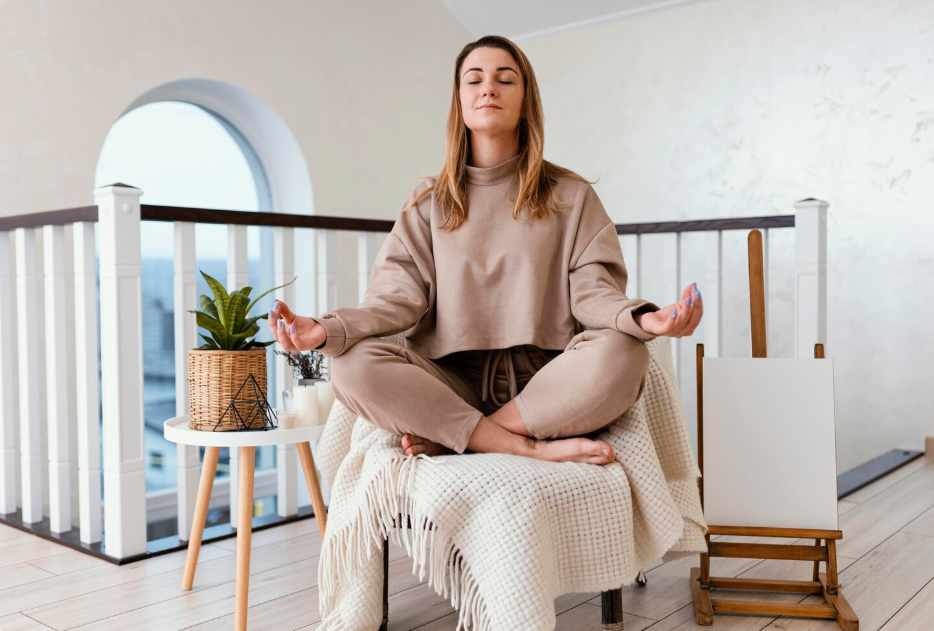
Inner awareness begins with attention to the present moment. Daily life often pulls attention in many directions, creating mental noise and distraction. Developing awareness helps individuals notice thoughts, emotions, and sensations without becoming overwhelmed. Mindfulness supports this awareness by encouraging observation rather than reaction, creating a calmer internal environment.
The Value of Present Moment Attention
Living in the present allows experiences to be felt more clearly. When attention is focused on past concerns or future worries, tension often increases. Present moment attention helps reduce this strain. Mindfulness trains the mind to return to what is happening now, improving clarity and reducing unnecessary stress.
Calming the Mental Stream
Thoughts naturally arise throughout the day, but constant mental activity can be exhausting. Learning to observe thoughts without following each one helps quiet the mental stream. Mindfulness creates space between awareness and thought, allowing the mind to settle and regain balance.
Emotional Awareness and Regulation
Emotions influence behavior and communication. Without awareness, emotions may lead to impulsive reactions. Mindfulness supports emotional regulation by helping individuals recognize feelings as they arise. This awareness allows responses to be chosen thoughtfully rather than driven by habit or intensity.
Reducing Daily Stress
Stress often comes from feeling rushed or overwhelmed. Mindfulness encourages slowing down and engaging fully with each moment. This approach helps reduce tension and supports a sense of calm. Over time, regular practice strengthens the ability to remain composed during demanding situations.
Supporting Mental Clarity
Clear thinking depends on a calm and focused mind. When attention is scattered, decisions become harder to make. Mindfulness improves mental clarity by training attention and reducing distractions. This clarity supports better problem solving and thoughtful decision making.
Encouraging Self Understanding
Self understanding grows through observation of patterns and responses. Mindfulness creates an opportunity to notice habits without judgment. This insight helps individuals recognize unhelpful patterns and choose more balanced responses. Increased self understanding supports personal growth and confidence.
Building Patience and Acceptance
Patience develops when individuals learn to accept experiences as they are. Resistance often creates frustration and stress. Mindfulness encourages acceptance by allowing experiences to be acknowledged without immediate evaluation. This acceptance supports emotional balance and reduces inner conflict.
Enhancing Daily Activities
Mindfulness can be integrated into everyday activities. Simple actions such as walking, eating, or listening become opportunities for presence. Engaging fully in these moments improves satisfaction and reduces the sense of rushing through life. Daily activities feel more meaningful when approached with awareness.
Strengthening Focus and Attention
Sustained attention is essential for productivity and learning. Mindfulness strengthens focus by training the mind to gently return to a point of attention. This practice improves concentration over time and reduces the impact of distractions.
Supporting Emotional Resilience
Resilience is the ability to recover from challenges. Mindfulness supports resilience by helping individuals observe difficulties without becoming overwhelmed. This perspective allows challenges to be faced with steadiness and adaptability. Emotional resilience grows as awareness deepens.
Improving Rest and Relaxation
A calm mind supports effective rest. Racing thoughts can interfere with relaxation and recovery. Mindfulness helps quiet mental activity, making it easier to rest fully. Improved relaxation supports energy and clarity throughout the day.
Creating Balance in Modern Life
Modern routines often emphasize speed and productivity. Mindfulness introduces balance by encouraging moments of pause and reflection. This balance helps individuals maintain calm while meeting daily demands.
Developing Consistency Through Practice
Like any skill, mindfulness develops through regular practice. Consistency builds familiarity and confidence. Small moments of awareness practiced daily can lead to meaningful change over time.
A Path Toward Calm Living
Calm living is not about avoiding challenges but about meeting them with awareness. Mindfulness offers a practical path toward inner calm by strengthening attention, emotional balance, and self understanding. Through consistent practice, individuals can cultivate a calmer and more present way of living that supports clarity, resilience, and overall well being.